
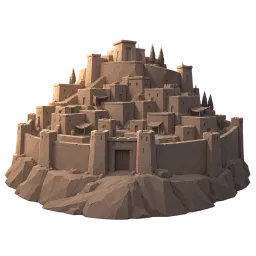
The place
Cuthah, also known as Cuth, was a city in Babylonia from which the Assyrian king Shalmaneser V (or possibly Sargon II) brought people to settle in the cities of Samaria after the deportation of the Israelites (2 Kings 17:24). This event occurred around 722 BC when the Assyrians conquered the northern kingdom of Israel and exiled a significant portion of its population.
The people of Cuthah, along with those from other Babylonian cities such as Babylon, Avva, Hamath, and Sepharvaim, were relocated to Samaria. These settlers, who came to be known as the Samaritans, initially did not worship the Lord and instead continued to serve their own gods (2 Kings 17:29-31).
In response to the settlers' lack of reverence for the Lord, God sent lions among them, which killed some of the people. When the king of Assyria was informed of this, he ordered that one of the priests from among the exiled Israelites be sent back to Samaria to teach the new inhabitants about the God of the land (2 Kings 17:25-28).
As a result, the Samaritans developed a syncretic religion, combining elements of their own beliefs with the worship of the Lord (2 Kings 17:32-34, 41). This mixed religious practice led to ongoing tensions between the Samaritans and the Jews who returned from the Babylonian exile, as evidenced in the New Testament (e.g., John 4:9).
The mention of Cuthah in the Bible provides insight into the complex history of the Samaritan people and the religious and cultural dynamics that shaped the region after the Assyrian conquest of Israel.
Where this place lies
Where the Bible names it
1 chapters, 2 verses