
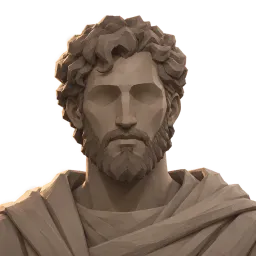
Who is this
Nebat is mentioned in the Old Testament as the father of Jeroboam I, the first king of the northern kingdom of Israel. Although little is known about Nebat himself, his son Jeroboam played a significant role in the history of Israel and is frequently referred to as "Jeroboam son of Nebat" throughout the books of Kings and Chronicles.
Nebat was an Ephraimite from the town of Zeredah (1 Kings 11:26). His son Jeroboam was a skilled and capable man who caught the attention of King Solomon and was appointed as an overseer of the forced labor from the house of Joseph (1 Kings 11:28).
However, Jeroboam later rebelled against Solomon and fled to Egypt for protection (1 Kings 11:26-40). After Solomon's death, Jeroboam returned and led the northern tribes in a revolt against Solomon's son, Rehoboam, resulting in the division of the kingdom (1 Kings 12:1-20; 2 Chronicles 10:1-19).
As king of the northern kingdom, Jeroboam established a new religious system, setting up golden calves in Bethel and Dan to prevent his people from going to Jerusalem to worship (1 Kings 12:25-33). This act became known as the "sin of Jeroboam," and it had a lasting impact on the spiritual decline of the northern kingdom (1 Kings 13:33-34; 14:16; 15:30, 34; 16:2, 19, 26).
Throughout the books of Kings and Chronicles, subsequent kings of Israel are often compared to Jeroboam son of Nebat, with many of them following in his sinful ways (1 Kings 15:34; 16:26; 22:52; 2 Kings 3:3; 10:29; 13:2, 11; 14:24; 15:9, 18, 24, 28). This recurring phrase serves as a reminder of the lasting consequences of Jeroboam's actions and the spiritual decline that characterized the northern kingdom.
Although Nebat himself is not the focus of the biblical narrative, his mention as the father of Jeroboam serves to provide context for Jeroboam's background and to emphasize the significance of his son's role in the history of Israel. Nebat's inclusion in the story also highlights the importance of family lineage and the impact that one's actions can have on future generations.
Relations
Spouses
Children

Where the Bible names it
17 chapters, 25 verses